My Philippines Trip
Start a letter
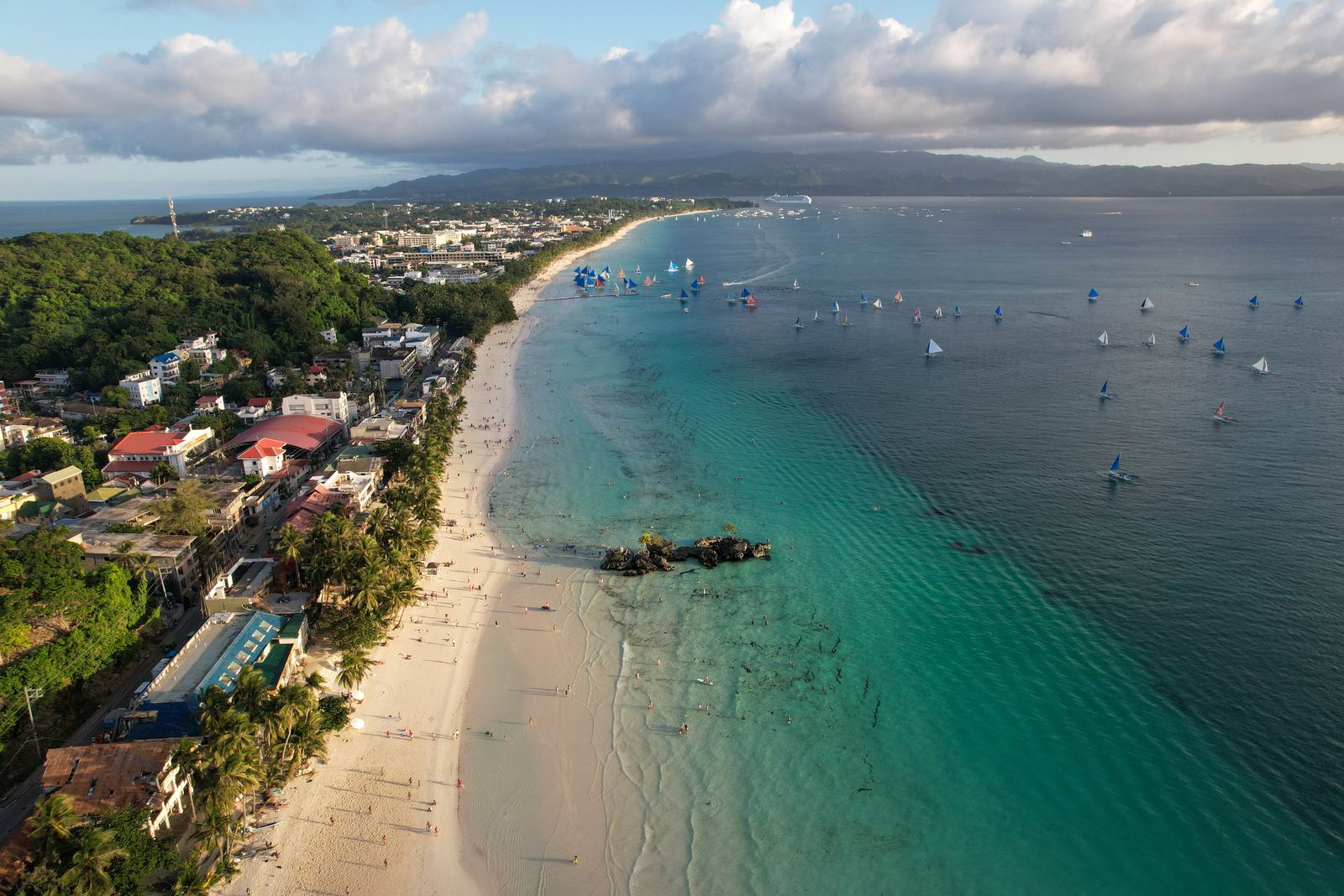
White Beach from the air at golden hour, paraw sails scattered across turquoise water, the town held behind the palm line.
Restoration / Softer island

Boracay

This is the quieter Boracay. The one most travellers haven’t been told about.

For about twenty years, Boracay was the Filipino island of postcards and bachelor parties, white sand for four kilometres along its western edge, and a reputation that grew faster than the infrastructure under it. By 2017, the water along White Beach was failing pollution tests, sewage was running into the sand at low tide, and the carrying capacity, which nobody had measured, had been comfortably exceeded for years. In April 2018 the national government closed the island to tourists for six months, evicted unlicensed businesses, redrew the setback rules, and reopened with limits that have, mostly, held.

What you find now is a quieter island than the one the brochures still describe. The beach is wider. The water is cleaner. The fire dancers are gone (their corner of the beach is now a no-flames zone for environmental reasons). The party still happens, in compressed and licensed form, in Station 2. The rest of the island is calmer than its reputation suggests, particularly Puka Beach on the north end, which most foreign travellers don’t visit.

After Palawan, what Boracay offers is the famous beach without the famous noise. The trip is deliberately thin: two nights at La Carmela de Boracay, daily breakfast, the transfer in and out (bus, boat, then multicab, with a coordinator who meets you at the airport). No island hopping included, no parasailing, no sunset sail. Those exist; we can arrange them after you arrive. The base trip is the beach and the time to be on it.

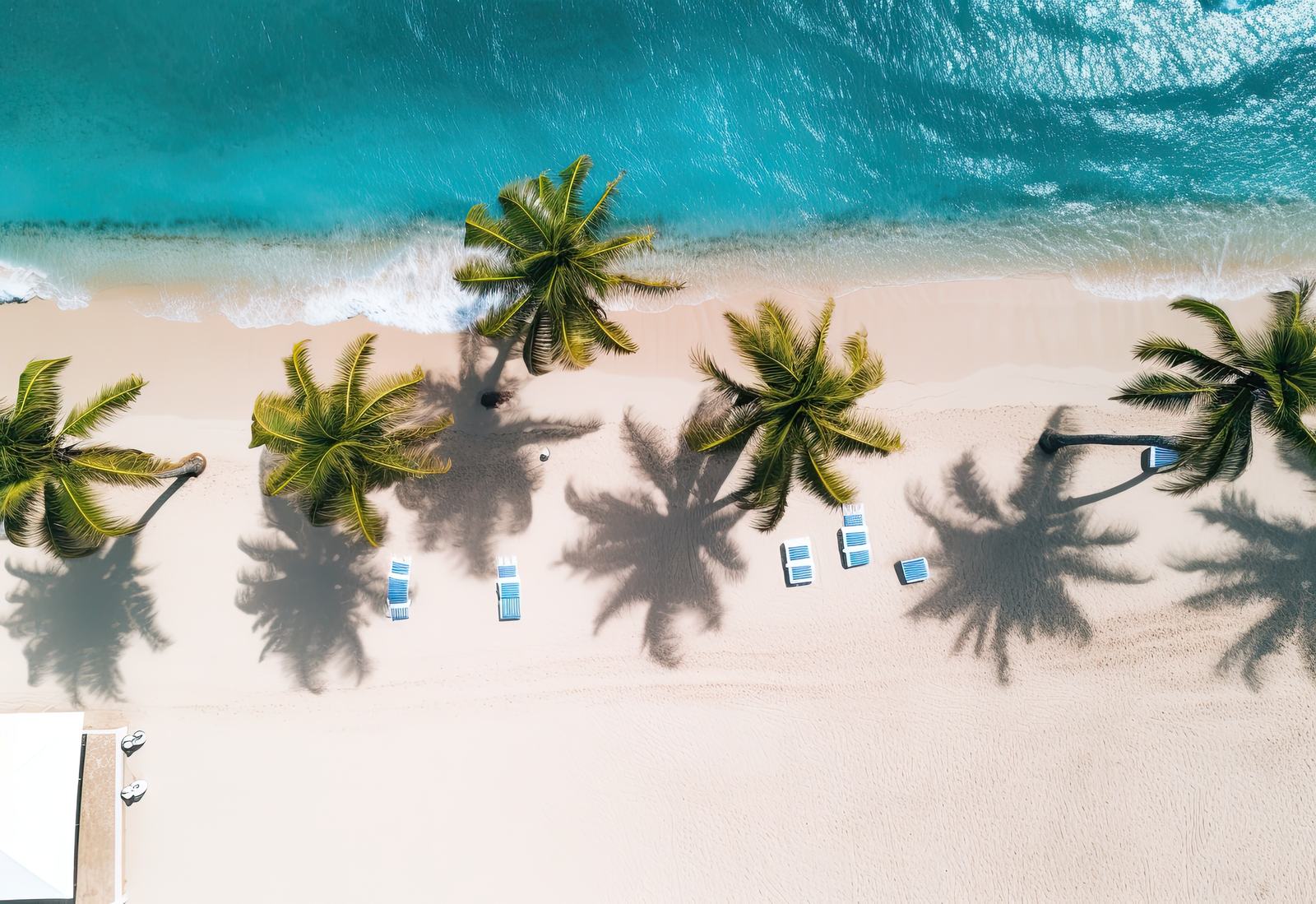
Palms and sun loungers on white sand seen from directly above, surf washing the shore.

White Beach, in three stations

White Beach runs four kilometres north to south along the island’s western edge, divided into three numbered stations. Station 1, at the north end, is the quieter resort stretch, palm-lined and oldest. Station 2 in the middle is the busy heart, D’Mall and the boardwalk, restaurants and shops in close ranks. Station 3 at the south end is mellower, with backpacker bones and fewer chairs to rent. Most travellers anchor around one station and walk to the others. The sand is the same colour everywhere; what changes is the noise, the price of a beer, and the shape of what people are doing on it.

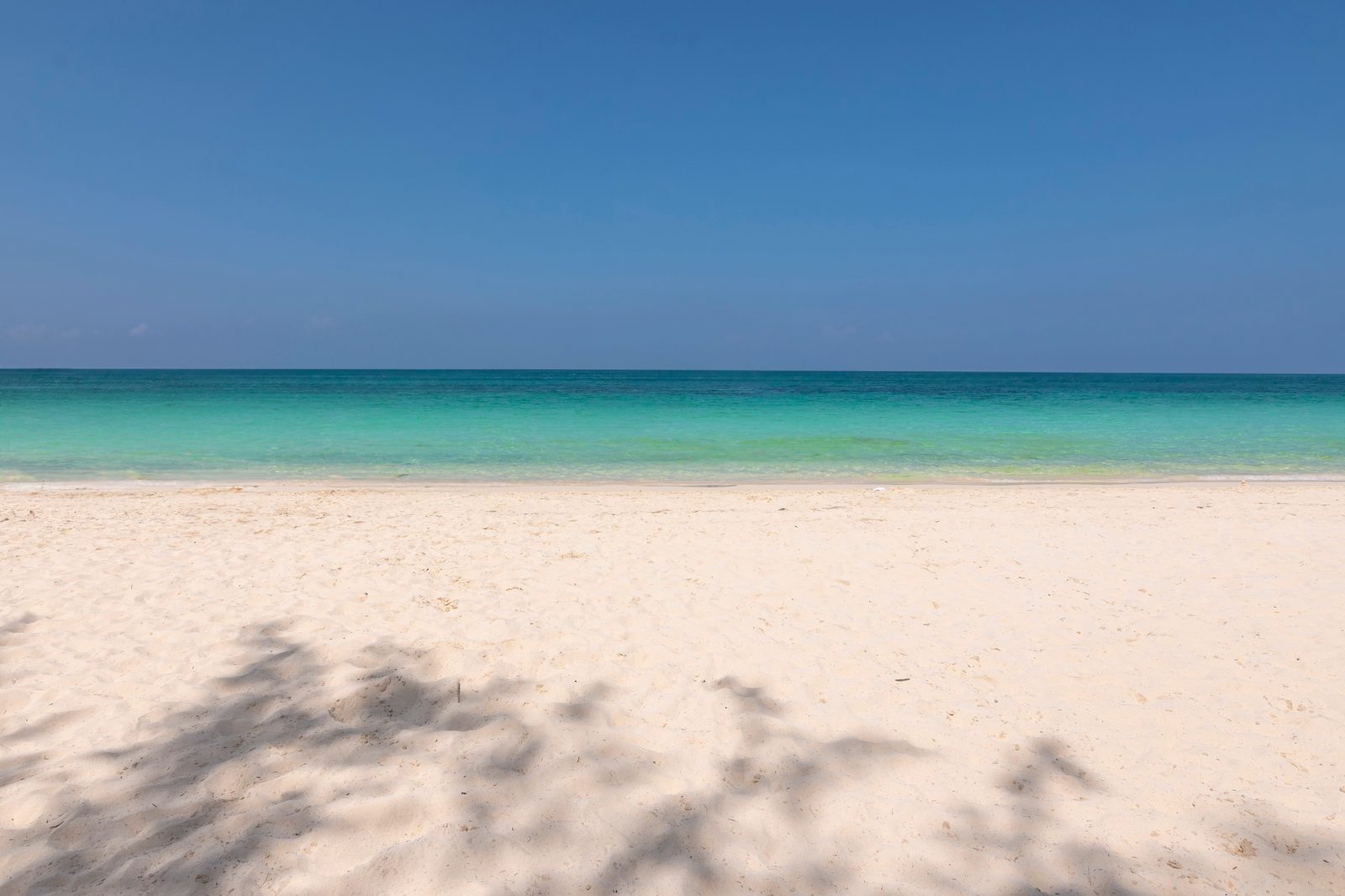
A wide, empty stretch of White Beach: clear turquoise water, fine pale sand, a tree’s shadow across the foreground.

The post-rehab walk

If you walked White Beach in 2017 and walk it again now, the differences register slowly. The sand is wider. There is a setback line, marked in places with low boundary stones, that no permanent structure can cross. The buffet stalls and the fire dancers and the chair-touts who used to work the wet sand are not there anymore. The water at the tide line, particularly at the southern end where the worst of the runoff used to surface, is clearer. None of this is dramatic to the eye. The dramatic version was the closure itself. What’s left is the settled-down version, which is the version that stays.

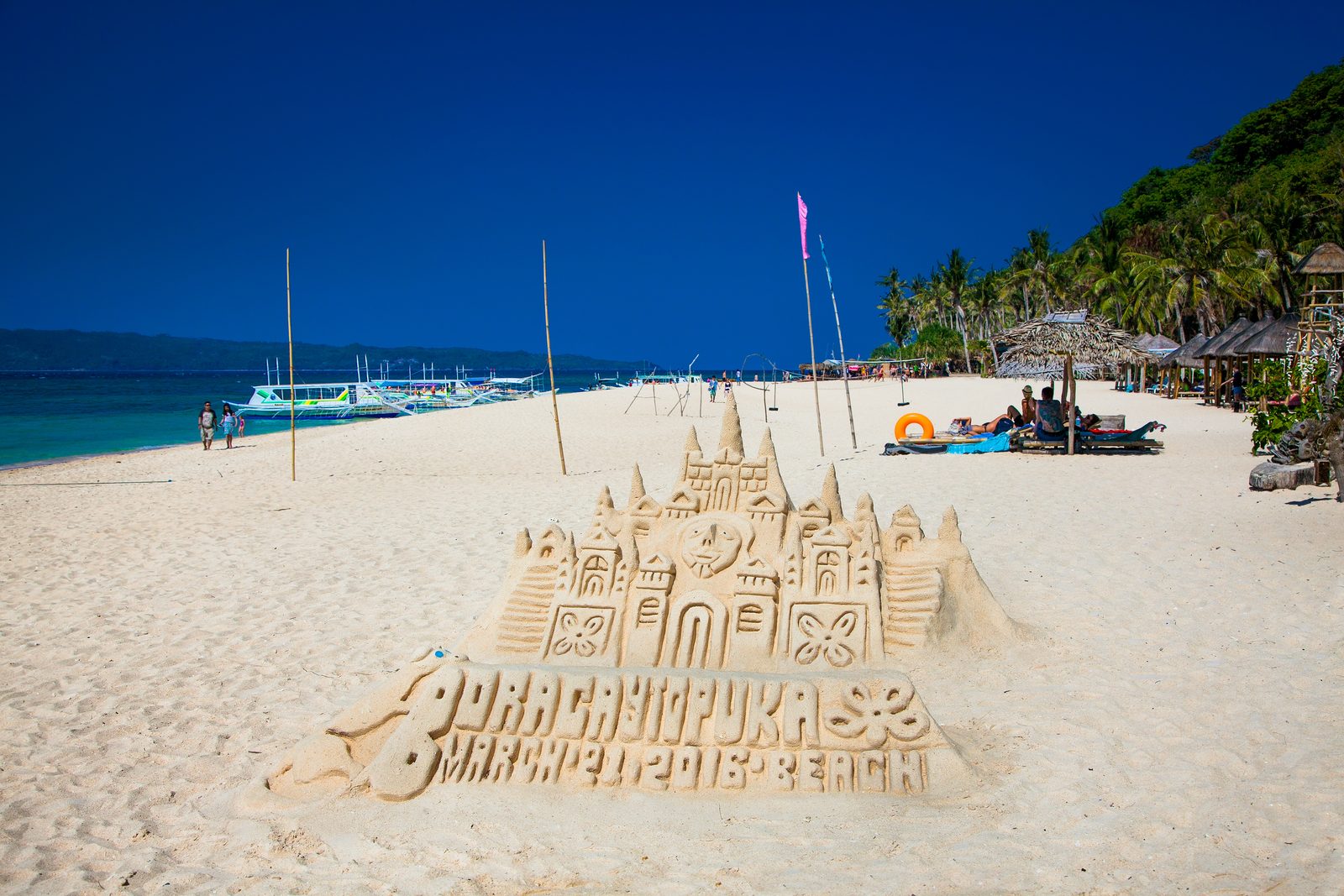
Puka Beach on a bright day, bangkas moored down the shore and a carved sandcastle on the sand.

Puka Beach, on the other side

At the north end of the island, accessed by a fifteen-minute tricycle ride from White Beach, is Puka Beach. The sand is coarser, fragments of small white shells called puka mixed in (which is where the name comes from). There are no resorts. There are a few seafood stalls and one small bar. There are people, but not many, and most of them are Filipino. The water is the same colour as White Beach but the absence of a boardwalk behind you makes it feel like a different island. Most foreign travellers don’t come here. Some, after one afternoon, decide it is the only beach on the island worth coming to.

The days

  1. Day 01

    Arrival

    Landing at Caticlan or Kalibo airport, transfer to the island. Caticlan is closer (45 minutes including the boat). Kalibo adds about an hour and a half each way. Coordinator meets you at the airport, sees you onto the bus, the boat, and the multicab to the hotel. Arrival transfers run for flights landing by 5pm, so book a morning or early-afternoon arrival. Check-in from 2pm. Afternoon free; White Beach is steps away.

  2. Day 02

    On the beach

    The day is yours. The hotel breakfast runs from 7 to 10. White Beach is most quiet in the early morning before the chairs go out, and most warm in the late afternoon. Optional add-ons (island hopping, sunset sail, parasailing) can be arranged through us with a day’s notice.

  3. Day 03

    Out

    Breakfast at the hotel, then check-out. Coordinator collects you for the multicab, boat, and bus back to the airport.

From USD 329 per person · minimum 2 pax.

Lunch
All meals on your own except daily hotel breakfast. White Beach has restaurants at every price point along its length; Puka Beach has a small cluster of seafood stalls. Bring small bills.
Includes
Two nights at La Carmela de Boracay or similar (Station 2 area, walking distance to White Beach). Daily breakfast at the hotel. All hotel taxes. Roundtrip airport-to-island transfers (Caticlan or Kalibo airport to the island via bus, boat, and multicab). Port terminal and environmental fees. Coordinator meets you on arrival.
Accommodation
La Carmela de Boracay or similar, Station 2 area, walking distance to White Beach. Mid-tier, well-kept, not luxurious.
Not included
International flights. Travel insurance. All meals beyond breakfast. Activities: island hopping, parasailing, sunset sail, all available on the island and arrangeable through us. Tips and gratuities. Personal expenses.
Travel times
Caticlan airport to the hotel: around 45 minutes including the boat crossing. Kalibo airport (the further alternative): around 2 hours. White Beach length, end to end on foot: about 60 minutes at a relaxed pace. Puka Beach from White Beach: 15 minutes by tricycle.
When to come
November through May is dry and the beach is its widest. June through October is wet season; rain is heavier, sea is rougher, and many of the optional water activities pause for the worst of it. Christmas, New Year, and the major holiday weeks are excluded from this rate; the booking calendar closes those dates.
Worth knowing
The package is light by design. Boracay is well set up for travellers who arrange activities on the day rather than booking ahead. We can arrange the major add-ons (island hopping, sunset sail, parasailing) post-booking and we know the operators worth using. The post-2018 rules still apply: no smoking on the beach, no drinking on the sand outside designated areas, no eating from disposable containers. These are gently enforced by beach wardens. One hard rule from the operations side: arrival transfers run for flights landing by 5pm. After that there is no met transfer, so build the trip around an earlier arrival.
Three days for Boracay, in this package, is enough for two long days on the beach and one quiet evening. The trip is light by design. We can extend with a sunset sail, an island hopping day with snorkelling at Crystal Cove, or a private boat to Puka if you want a fuller week, all arranged after booking, not at checkout. Ask us.

Have a question? Book this trip