My Philippines Trip
Start a letter
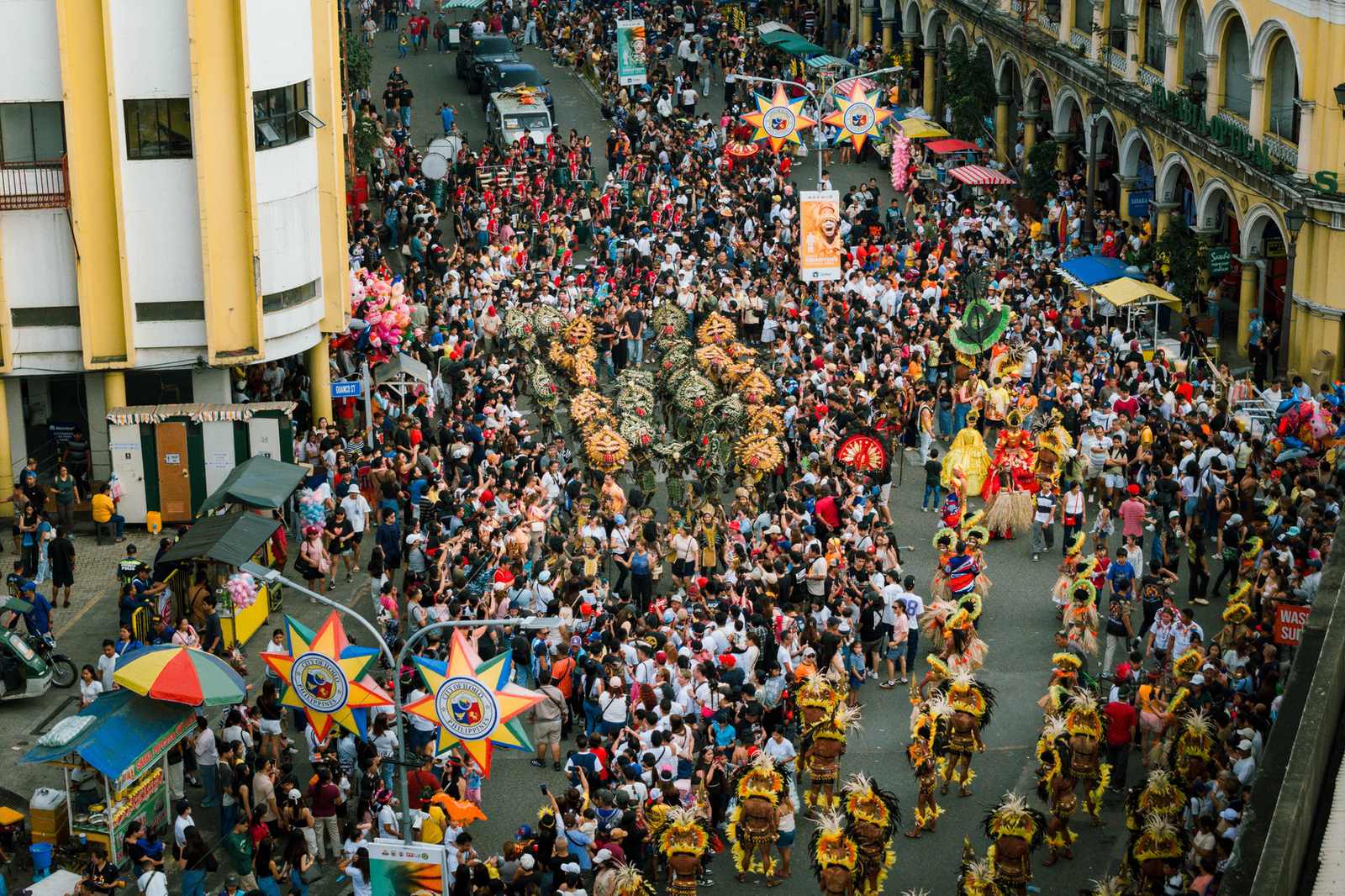
The Dinagyang festival filling an Iloilo street, seen from above.
Heritage · 3D2N · Iloilo

Iloilo, quietly.

Three days in a city that does not raise its voice. The heritage houses open by appointment, and appointment means phoning a grandson. The kansi in La Paz is bone-marrow sour. The churches are older than most of Europe thinks they are. This is the Philippines most Palawan travellers have not seen yet.

Iloilo rewards slowness. This is a heritage city, one of the oldest in the country, and its pleasures are the kind you find by walking, eating, and asking. Nothing on this trip is rushed. Nothing is big-ticket. The work of the three days is to let the place land.

You stay in the old downtown, walk Calle Real most mornings, and eat at the market at least twice. A guide who knows the heritage-house families will open doors that are not on any public itinerary. Sunday morning is for Molo or Jaro, whichever feels right that week.

The trip is private throughout. Your vehicle, your guide, your pace. There are no groups, no optional add-ons at the desk, no surprise upsells. The package is the package.

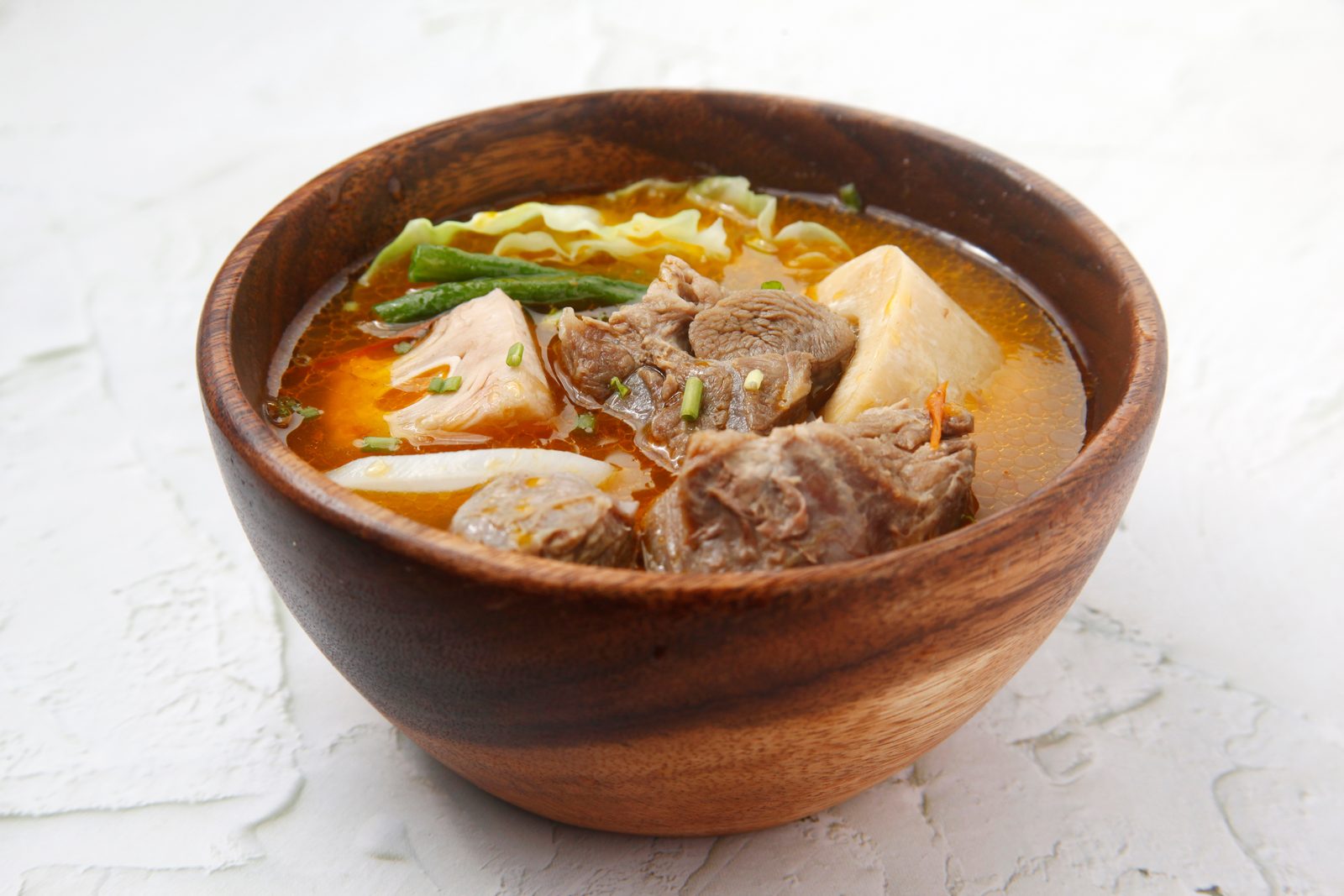
A wooden bowl of kansi: beef shank and vegetables in a batuan-soured broth.

A morning in La Paz

The best morning of the week for kansi is Tuesday, because the bones come in fresh on Monday evening and the pot has had the right amount of time. The soup is famously sour, batuan fruit does the work, and travellers who have only had Manila versions tend to flinch at the first spoonful and then, within a minute, understand. Batchoy at Ted’s afterwards, if there’s room.

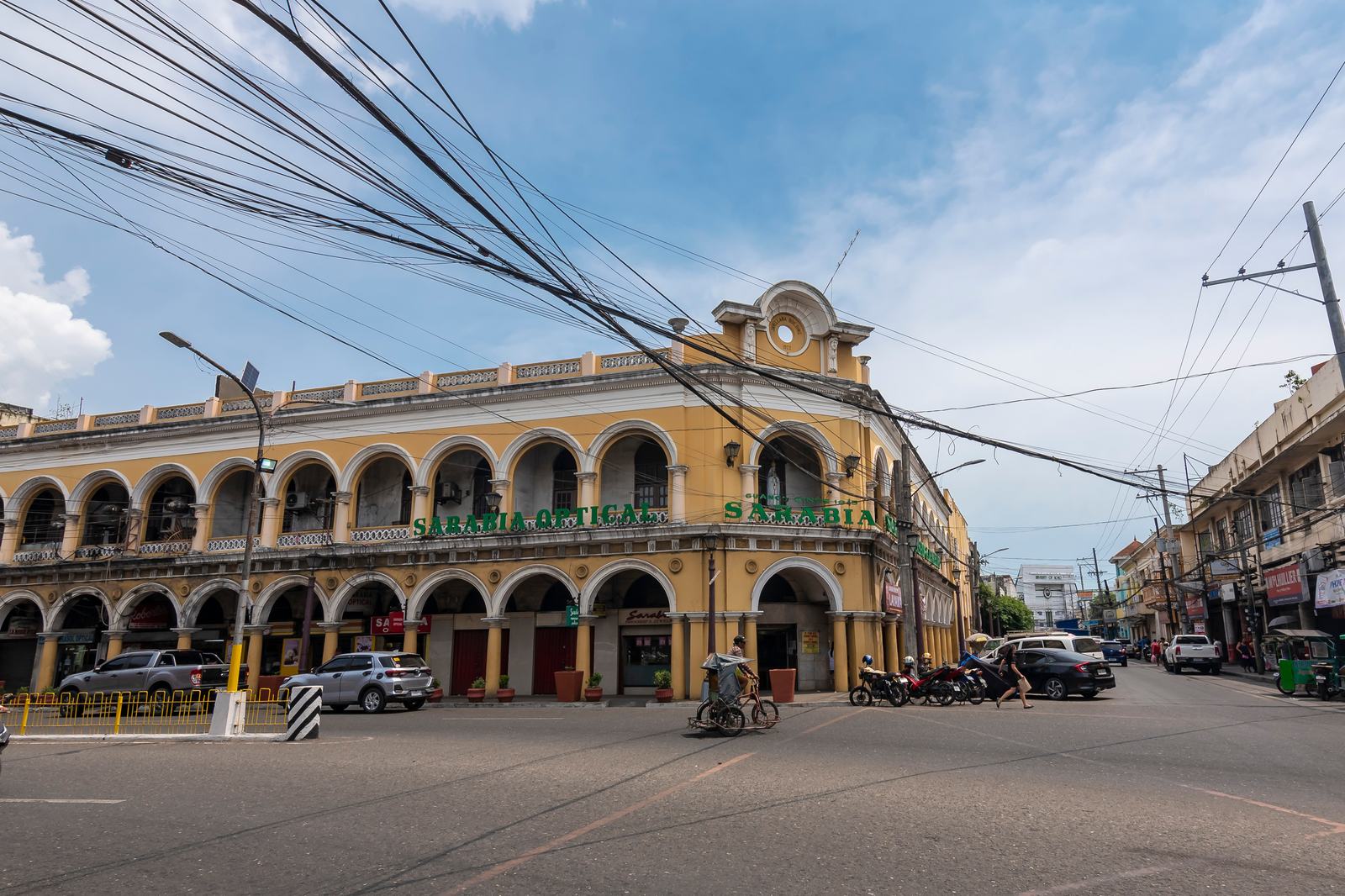
A restored arcaded heritage building on Iloilo’s old streets, painted cream and yellow.

Calle Real, on foot

The old main street runs about a kilometre. Most of the façades are restored now, some are not, which is arguably better. A good guide will stop at three or four specific buildings and tell you which grandson to phone for interior access. Casa Mariquit is the usual one. It still opens on request.

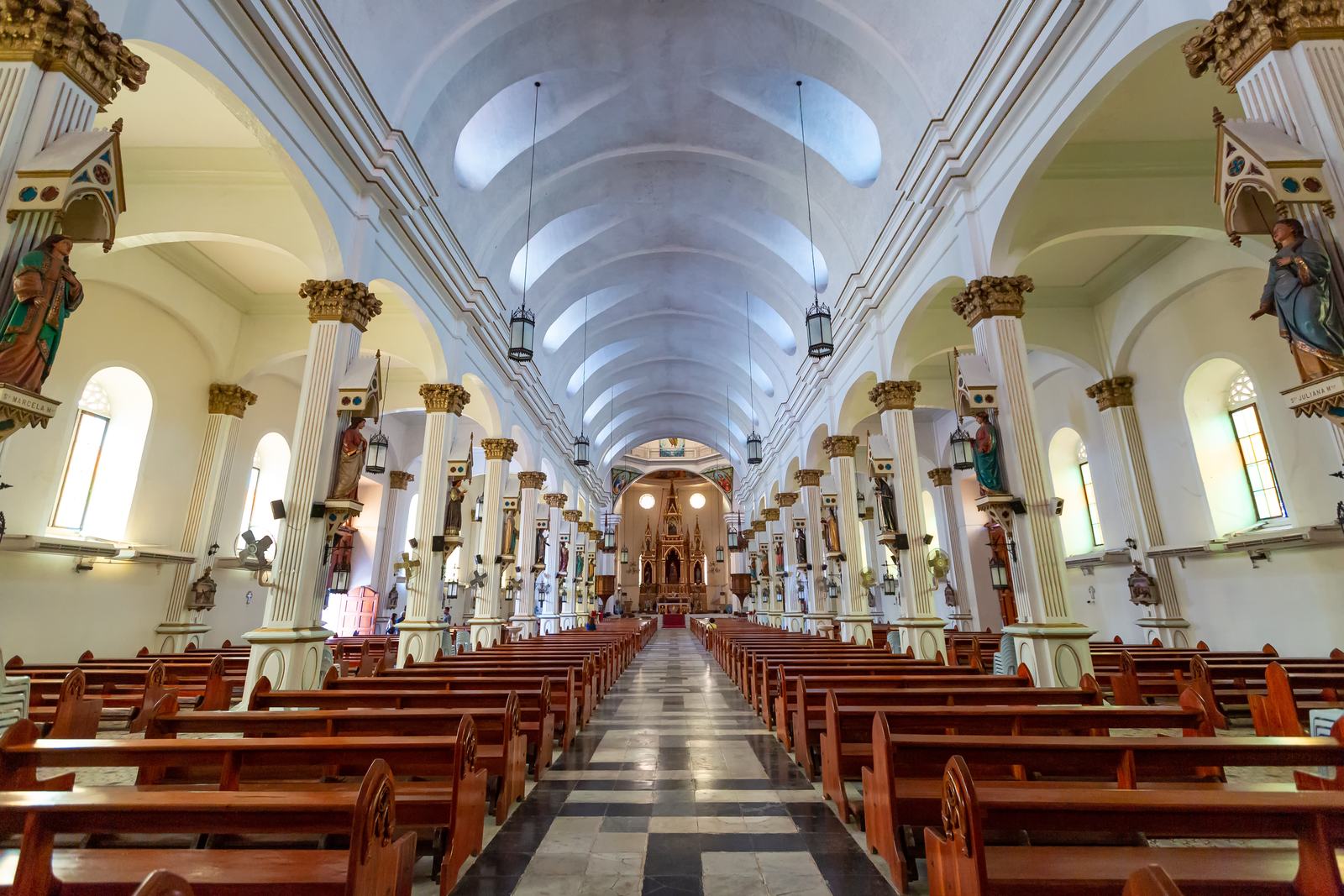
The white nave of an Iloilo church, columns and red pews leading to the altar.

Molo or Jaro, on Sunday

Molo is the one people call the feminist church. Every saint in the nave is a woman, which is unusual enough to have its own small scholarship. Jaro is the grander building and the patron saint’s home. Pick one, arrive before the 9am mass, and stay for it whether or not you are Catholic. The singing is the reason.

The days

  1. Day 01

    Arrival

    Landing at Iloilo airport, met and transferred to Citadines Amigo in the city centre. Check-in, then the afternoon is yours: the river esplanade is a short walk, and Calle Real is made for the hour before dinner.

  2. Day 02

    The one long day

    Pick-up at 8am for a day that covers the coast and the city, deliberately full. South first: Garin Farm at San Joaquin with its white pilgrimage hill, the San Joaquin church and its campo santo, the fortress church at Miag-ao (UNESCO-listed, built to stand up to raids and earthquakes alike), then Guimbal and Tigbauan on the road back. The city takes the afternoon: Molo church and mansion, Casa Mariquit, Jaro cathedral and its belfry across the road, the economic museum, and a running tour of the millionaires’ rows, Muelle Loney, Calle Real, Fort San Pedro, and Festive Walk, with the brandy museum to finish. Back to the hotel by early evening.

  3. Day 03

    Out

    Breakfast at the hotel, a free morning, then the transfer to the airport for departure.

From USD 309 per person · minimum 2 pax.

Lunch
On your own through the tour; the driver-guide knows where the day’s route eats best. Iloilo is the reason to be hungry: batchoy at its La Paz source, kansi if you take our advice, seafood along the esplanade in the evening.
Includes
Two nights at Citadines Amigo. Roundtrip airport transfers. Daily buffet breakfast at the hotel. The full-day city and countryside tour with a driver-guide and entrance fees on the listed stops. Travel insurance.
Accommodation
Citadines Amigo, in the city centre: modern serviced rooms above the old downtown, with the esplanade and Calle Real in walking reach.
Not included
Flights. All lunches and dinners. Tips for the driver-guide. Optional tours and extra nights, arranged after booking, not at checkout.
Travel times
Iloilo airport to the city: about thirty to forty-five minutes. The southern run to San Joaquin is roughly an hour and a half each way, which is why the day starts at eight. The tour runs from morning into early evening.
When to come
November through May is dry and bright. June through October is wet season; the churches were built for worse and the day still runs. Dinagyang, the fourth weekend of January, is the city at full volume: book far ahead or aim either side of it.
Worth knowing
Day two is deliberately long; wear the comfortable shoes and let the van do the work. The churches ask for covered shoulders and a quiet voice, and are worth both. Garin Farm’s white stairway climbs to a hilltop cross; the climb is optional and the view argues for it. The free hours on days one and three are not spare time, they are the trip: this is a city best met on foot with an appetite.


Three days for Iloilo: one to arrive, one enormous one for the coast and the city, one to leave slowly. If the city takes hold, Guimaras is a short boat away and extra nights are easy, arranged after booking, not at checkout. Ask us.

Have a question? Book this trip